
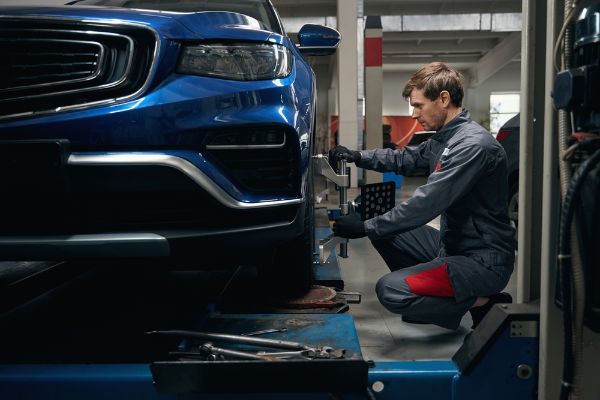
Your vehicle's wheel alignment plays a major role in keeping your tires in good condition. When your wheels are properly aligned, each tire makes even contact with the road, helping your vehicle handle smoothly and reducing unnecessary wear. Many drivers focus on tire pressure and tire rotations but overlook wheel alignment until they notice a problem. Understanding how wheel alignment protects your tires can help you extend tire life and maintain safe driving performance.
What Is Wheel Alignment?
Wheel alignment is the process of adjusting the angles of your vehicle's wheels so they match the manufacturer's specifications. These adjustments ensure that your tires point in the correct direction and maintain proper contact with the road surface.
Wheel alignment is not the same as balancing your tires. Tire balancing corrects weight distribution around the tire and wheel assembly, while wheel alignment focuses on the position and angles of the wheels. Both services are important, but alignment directly affects how evenly your tires wear over time.
How Wheel Alignment Protects Your Tires
When your wheels are aligned correctly, your tires wear evenly across the entire tread. Even tread wear helps maintain traction, improves handling, and allows your tires to perform as designed throughout their lifespan.
If your wheels are out of alignment, one or more tires may scrub against the road instead of rolling smoothly. This creates uneven tread wear that can shorten tire life and reduce overall performance. You may notice excessive wear along the inside or outside edge of a tire, or uneven patterns that indicate alignment issues.
Proper wheel alignment also helps your vehicle track straight, reducing unnecessary stress on your tires during everyday driving.
Signs Your Vehicle May Need a Wheel Alignment
Several warning signs can indicate that your vehicle's alignment should be checked. If your vehicle pulls to one side while driving on a straight road, the alignment may be out of specification. You may also notice that the steering wheel is off center even when driving straight.
Uneven tire wear is another common indicator. Regularly inspecting your tires can help you catch alignment problems before they become more severe. Vibrations, reduced steering control, or handling that feels less stable than usual can also point to alignment concerns.
What Causes Alignment Problems?
Wheel alignment can change gradually through normal driving or suddenly after an impact. Hitting potholes, driving over curbs, or encountering rough road conditions can all affect your vehicle's alignment. Suspension components also wear over time, which can contribute to changes in wheel angles.
Even if your vehicle seems to drive normally, routine alignment inspections can identify small issues before they lead to excessive tire wear.
Keep Your Tires Performing Their Best
Maintaining proper wheel alignment is one of the simplest ways to protect your tires and support safe, reliable vehicle performance. Regular inspections and professional alignment service help ensure even tread wear, responsive steering, and consistent handling.
If you notice uneven tire wear, your vehicle pulling to one side, or an off center steering wheel, scheduling a wheel alignment inspection with Tom & Jerry’s Auto Service is a smart step toward keeping your tires in excellent condition and helping your vehicle perform as intended.