
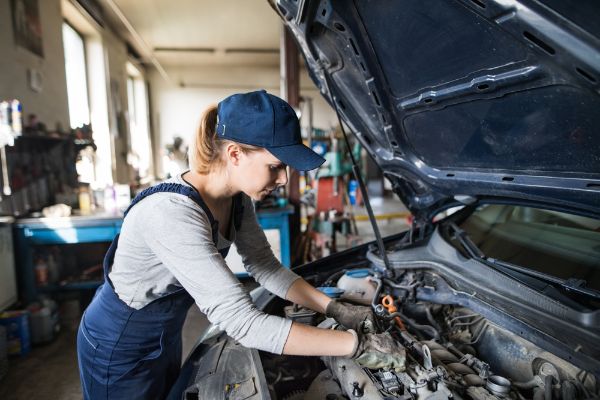
Engine Repair Tips to Extend Engine Life
Your vehicle's engine is one of its most important components. Keeping it in excellent condition helps ensure reliable performance and can reduce the likelihood of unexpected breakdowns. Following proven engine repair tips and maintenance practices can help extend engine life and keep your vehicle operating smoothly for years to come.
Follow Recommended Maintenance Schedules
One of the most effective engine repair tips is to stay consistent with your vehicle's recommended maintenance schedule. Routine inspections allow technicians to identify signs of wear before they develop into more serious problems. Regular maintenance helps keep engine components working together properly and supports long term performance.
Ignoring scheduled service can lead to increased stress on engine parts. By keeping up with manufacturer recommendations, drivers can help protect their engines from unnecessary strain and damage.
Pay Attention to Warning Signs
Many engine problems begin with subtle symptoms that become more noticeable over time. Unusual noises, excessive vibrations, reduced performance, or dashboard warning lights should never be ignored. These signs often indicate that an engine component requires attention.
Addressing minor issues early can help prevent further damage and support overall engine health. If you notice any changes in the way your vehicle runs, it is important to have it inspected by a qualified technician.
Keep Engine Fluids Clean and at Proper Levels
Engine fluids play a critical role in lubrication, cooling, and overall operation. Maintaining proper fluid levels helps reduce friction between moving parts and supports efficient engine performance.
Dirty or contaminated fluids can affect engine function and contribute to premature wear. Routine fluid inspections and replacements help keep internal components protected and operating as intended. Checking fluid condition regularly is a simple but effective way to extend engine life.
Practice Smooth Driving Habits
The way a vehicle is driven can have a significant impact on engine longevity. Aggressive acceleration, sudden braking, and frequent high RPM operation can place additional stress on engine components.
Smooth and consistent driving habits help reduce unnecessary strain. Allowing the engine to reach normal operating temperature before demanding maximum performance can also contribute to better long term reliability.
Address Engine Repairs Promptly
When an engine issue is identified, timely repairs are important for preventing additional complications. Small concerns can sometimes affect other engine systems if left unresolved. Professional diagnosis and repair help ensure that underlying problems are properly addressed.
Seeking assistance from experienced automotive technicians can help maintain engine performance and prevent avoidable wear. Regular inspections also provide an opportunity to identify developing issues before they become more serious.
Following these engine repair tips can help extend engine life and support dependable vehicle performance. Consistent maintenance, attention to warning signs, proper fluid care, responsible driving habits, and prompt repairs all contribute to a healthier engine. By making engine care a priority, drivers can enjoy greater reliability and confidence every time they get behind the wheel.